Quinoa Cornbread Bites

I’m not much of a baker.  I like to play around with ingredients and I’m not one for using exact measurements when I’m cooking.  Baking needs exact measurements or more often than not you end up with inedible hockey pucks.  Trust me.  I know.  I had some leftover quinoa and wanted to do something out of the ordinary with it.  I knew it did well in bread like dishes and I just happened to be making sloppy joes for dinner that night.  So obviously I had to turn my quinoa into cornbread.  Yes, that is a logical progression.  At least in my mind.  These bites come together quickly and freeze rather nicely, so you can make a bunch and not worry about them going bad.  That is if you have any left over!


Quinoa Cornbread Bites

DSC_0082

  • 1 1/2 cup cooked quinoa
  • 1 1/2 cup cornmeal
  • 1 1/2 tbsp flax meal (you can buy the seeds in bulk which is cheaper and then grind them in a food processor at home)
  • 2 tsp baking powder
  • 1 tsp baking soda
  • 1 cup almond milk
  • 1/2 cup apple cider vinegar
  • 2-3 tbsp molasses, depending on how sweet you want it
  • 1/2 tsp salt


1.  Preheat oven to 375 and mix almond milk and apple cider vinegar in a small bowl and set aside while you prepare the rest of the ingredients

2.  Combine all the dry ingredients in a large bowl and whisk together.

3.   Add 1/2 cup of the cooked quinoa to the milk and ACV as well as the 2-3 tbsp molasses.  If you have an immersion blender, blend this mixture until it is smooth and creamy.  If you don’t have an immersion blender, transfer to a blender or food processor.

4.  Add the wet mixture to the dry mixture and stir everything together.  It will foam up a little bit due to the vinegar and baking soda, but it will go back down.  Fold in the rest of the quinoa.

5.  Spray a little olive oil into a mini muffin tin and spoon about a tbsp of the mixture into each cup.  Don’t over fill because the bites will rise as they cook.  Bake for 10-12 minutes and then let them cool on a wire rack.

These go really well with sloppy joes or chili.  I’m sure they would taste really good with some homemade jam or as my mom told me, “These are just another vehicle to get butter into my mouth.”  Now you know where I get my clever wit!  Eat up and hope you enjoy!


How To Dress A Salad

oil and vinegar

No, I’m not talking about putting little shirts and pants on your lettuce leaves.  I’m not that weird.  Ok, yes I am but that is beside the point.  Salads are a great way to get in a ton of vegetables and there are endless varieties of salads.  Even with so many different combinations, people still find salads boring.  Their solution to fix boring salads is to top them off with dressings.  Don’t get me wrong, I love dressing and probably have consumed a mind boggling amount of ranch dressing.  Store bought dressings though are LOADED with chemicals and preservatives and a ton of other not good for you ingredients.  Go ahead and get that bottle of dressing out of the fridge and read the ingredient list.  I’m going to bet there are some things in there that you can’t pronounce.  That’s no good.  Fear not! You do not have to give your dressings, you just need to go about them in a different way.  Homemade dressing is super simple to make and so much better for you than store bought.  In fact, you probably have all the ingredients on hand to make your own simple dressing.  I’m going to show you how to make a simple dressing and give you a few variations so that you can make your own delicious salad dressing!

The basic components of a salad dressing are simple.  Oil and some kind of vinegar.  Your ratio of oil to vinegar can be made to your preference, but I tend to like a little bit more vinegar than oil in my dressing.  Now there are a variety of different oils that you can use to make your dressing beyond the obvious olive oil.  I also like avocado oil, flaxseed oil, and I have even tried walnut oil which was pretty tasty.  You want to stick with lighter tasting oils since you won’t be cooking the oil.  Oils like peanut, coconut, or palm oil will have a little bit stronger taste and could overpower the other flavors of the dressing.  Once you pick the type of oil you want to use you can pick a vinegar to go with it.  The three that I use the most are apple cider vinegar, balsamic vinegar, and white wine vinegar.  I’ve also made some dressings with rice vinegar.  There are many types of vinegars out there, so pick ones that you like the most.  Once you’ve chosen an oil and a vinegar, it’s time to add some seasonings.  The sky is the limit here so use your favorites or whatever you have on hand.

Ok, that is the bare bones of a homemade salad dressing.  Tasty for sure, but a little boring.  Good thing it is easy to come up with a variety of different dressings to top your salad.  The easiest way to make most of these dressings is to place all the ingredients in a jar and shake them up.  That way they are easy to store and you can add to them whenever you need to.  Some of the dressings I’m going to share need a blender or food processor, but I’ll make a note if they do.  Here are a few dressings that I have made myself:

  • 1/4 cup olive oil – 1/2 cup apple cider vinegar – 1 tsp oregano – 1 tsp basil – pepper to taste
  • 1/4 cup avocado oil – 1/3 cup rice vinegar – 2 tbsp lime juice – 1 tsp cilantro – 1/2 tsp garlic powder
  • 1/4 cup flaxseed oil – 1/3 cup white wine vinegar – 2 tsp italian seasonings – pepper to taste

These are quick and easy to make and will keep in your fridge for a few weeks.  Now, perhaps you are more a fan of creamy dressings (ranch lovers unite!) and these oil and vinegar combos are not doing it for you.  Not to worry, there are plenty of options when it comes to homemade creamy dressings.  These dressings will need to be made in a blender or food processor to get the right consistency.

  • 1/2 avocado, diced – 1/4 cup tahini – 3-4 tbsp lime juice – 1 tsp cilantro – 1 tsp chili powder – salt and pepper to taste
  • 1/2 cup smooth almond butter – 1/4 cup soy sauce or liquid aminos – 2 cloves garlic, minced – 1 tsp chinese five spice
  • 1/2 cup cashew cream – 1/4 cup smooth peanut butter – 2 cloves garlic – 1-2 tsp smoked paprika – salt and pepper to taste

You can also do a very simple herb and oil dressing.  Using 1/4 to 1/2 cup oil of your choice, blend in a few handfuls of your favorite herbs, and a few tbsp of mustard (I like spicy brown) until you have a pourable consistency.

There are so many options when it comes to homemade salad dressings.  Get creative and try making some of your own concoctions.  Use pureed beans to get a creamy, hummus like dressing or go super simple with just a little oil and vinegar.  Find flavors that you enjoy and will have you devouring salads by the plateful!  Remember, healthy doesn’t have to be hard or complicated.  More often than not, it’s better to just keep it simple!

Avocado and Corn Gazpacho

I’m going to be honest with you, I haven’t been the biggest fan of gazpacho in the past.  The idea of cold soup isn’t super appealing to me but this gazpacho has made me rethink my tastes.  The avocado adds a really nice creaminess and this dish is super refreshing on a hot summer night.  If you don’t like gazpacho, try this one out before you swear them off forever.


Avocado and Corn Gazpacho

DSC_0091


  • 1 ripe avocado
  • 2 tbsp lemon juice
  • 1 tbsp olive oil
  • 1/2 cup corn kernels (if using frozen let them thaw first)
  • 2 cups diced tomatoes
  • 2 cloves garlic, minced
  • 1 bunch scallions chopped
  • 1 3/4 vegetable broth or water
  • 2/3 cup almond milk
  • salt and pepper


1.  Peel and mash avocado with the lime juice, set aside

2.  Saute the corn, garlic, and half the chopped scallions for about 5 minutes.  The corn should have a little bit of char on it.

3.  Place the corn saute, and avocado into a blender and blend until smooth.  Add in the broth or water and almond milk and blend together.  Top with rest of scallions and salsa if desired.

You can serve this at room temperature or let it chill in the fridge for a few hours before serving.  The gazpacho improves with time so the next day it will taste even better!  Just a word of warning though, this soup will only last about a week before the avocado starts to turn brown.  So eat it as fast as possible, which shouldn’t be a problem!

Chipotle Chili Mac N “Cheese”

Happy 4th of July!  I hope you are enjoying the day off and participating in all the fun festivities!  I am spending the day with family, but I still wanted to leave you with a recipe today!  I know it’s not very “4th of July-y” but it is delicious whenever you make it.  This is kind of a grown up mac n cheese because the chipotle adds a little bit of a kick.  Also, if you have an Aldi near you and are gluten free, you need to go and stock up on their gluten free pasta.  They have two types of corn flour pasta, penne and fusilli, and brown rice spaghetti.  They all cost less than $2 for over a pound of pasta and the only ingredients are corn flour and water or brown rice.  Considering most gluten free pasta costs well over $4 and sometimes has more ingredients than I can count, this is a fantastic deal.  Aldi is really doing a great job of adding better quality products to their store, including a line of organic food called simply organic.  I have been able to find honey, almond milk, and even almond butter at one, all for reasonable prices.  Ok, public service announcement over, on to the recipe!


Chipotle Chili Mac N “Cheese” 


  • 1 package of whole wheat or gluten free pasta (I used penne but obviously macaroni would work too)
  • 1 small onion, diced
  • 4 cloves garlic, minced
  • 1 cup raw cashews, soaked in water overnight
  • 3 chipotle chili’s soaked in warm water for at least 30 minutes (save the water!)
  • 1 cup vegetable broth or water
  • 1/2 cup reserved chili water
  • 1 tbsp tapioca starch (corn starch could work too, but I haven’t tried it)
  • 1 tsp ground cumin
  • 3/4 tsp chili powder
  • 4 tbsp nutritional yeast
  • 1 tsp salt
  • smoked paprika, as a garnish (optional but really tasty!)


1.  Cook the pasta according to the package instructions and then drain and set aside

2.  While the pasta is cooking, remove the chili’s from their soaking water (but remember to keep it!) and chop into bite size pieces.  Saute the onion over medium high heat until soft, about 5 to 7 minutes.  Add in the garlic and saute for another 1 to 2 minutes.

3.  Place the onion and garlic into a blender along with the rest of the ingredients, except the smoked paprika.  Blend everything until you have a smooth and creamy sauce.  The sauce will be thin and liquid-y at this point, don’t worry that’s ok!

4.  Pour the cheese sauce into the pot that you cooked the pasta in and heat over medium heat until the sauce starts to thicken up.  Add the pasta back into the pot and stir to combine with the sauce.  Sprinkle the smoked paprika over the pasta after it has been served if desired.

This is a fairly quick meal to throw together as long as you remember to soak your cashews before hand.  If you forget though, have no fear.  You can do a quick soak by boiling some water and then pouring that over the cashews and letting them soak for at least 30 minutes.  You can also double this and serve to a hungry crowd, so if you’re looking for a healthy and tasty dish to bring to your 4th of July BBQ, this might fit the bill!  Enjoy!

How To Shop A Farmer’s Market


DSC_0100

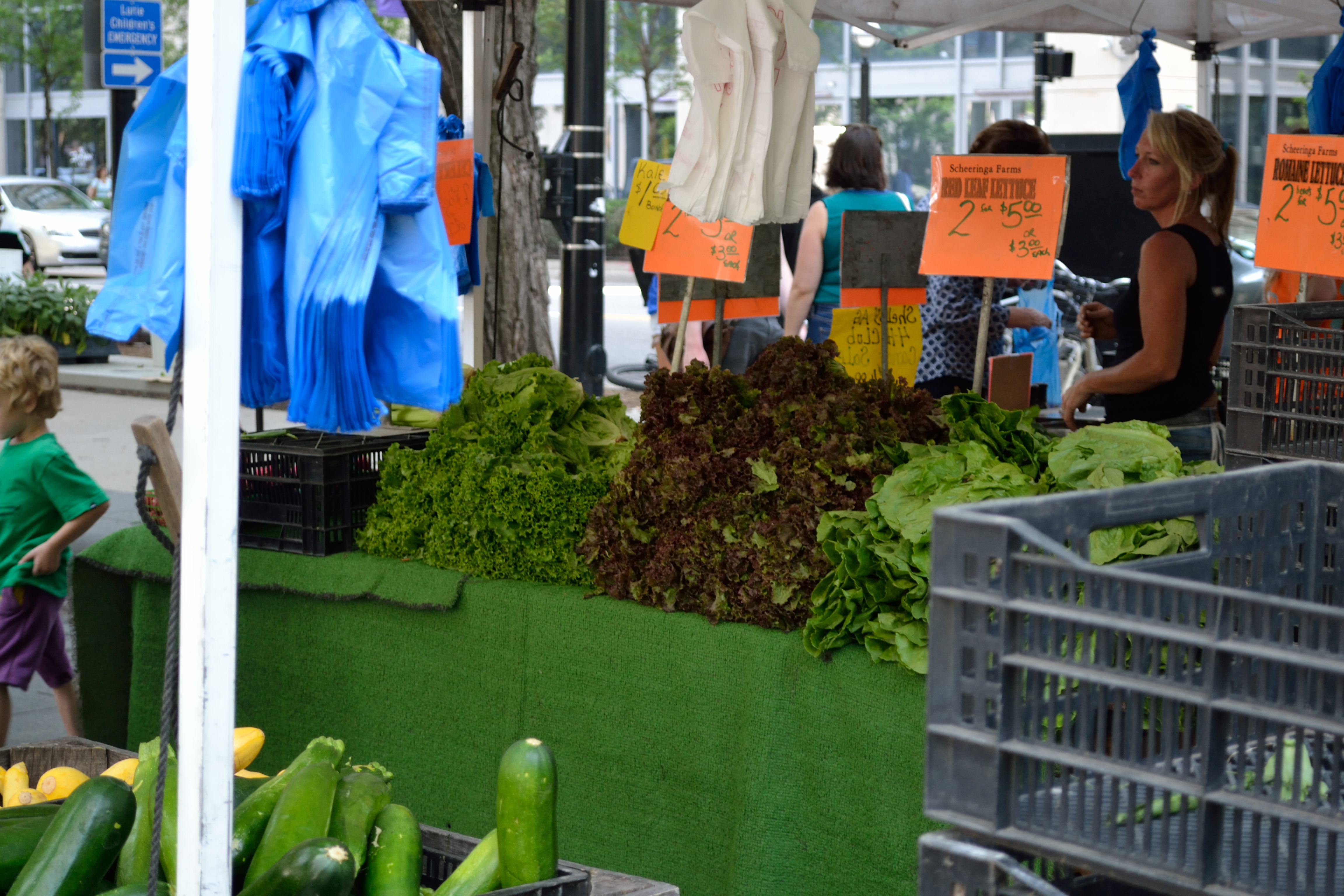
Summer time normally brings with it not just warm weather and trips to the beach, but the opening of the farmer’s market.  Farmer’s markets are great ways to buy fresh produce, support your local farms, and find some delicious new foods to try!  In this post, I thought that I would share a few tips on how to get the most out of your farmer’s market.  I’ve been to a few of the many markets open here in Chicago and even talked to a few of the farmers to find out how to make the most of your trip.


Walk the market.  Before you even buy anything, walk the whole market.  Many stands will sell the same fruits and vegetables but they might have different prices.  You don’t want to buy a pint of strawberries for $6 and then walk to the next stall and see they were only $4 there.  Also take your first walk through to inspect the quality of the produce.  Make sure that the produce being sold doesn’t look old, withered, or too beat up.  A little dirt is fine (these things grow in the ground after all!) but you don’t want it to look like it has been run over by a truck.  So make note of the stands selling good produce at good prices and make note of them.  Then come back after your walk through.

Ask questions.  The people running these stands have a wealth of knowledge of the products they are selling.  A lot of them have planted, watered, weeded, and harvested these fruits and vegetables themselves and know pretty much everything there is to know about them.  Don’t be afraid to ask how to prepare a certain vegetable or how to best store their fruit.  The farmers that I talked to were very excited and passionate about their foods and love to share their knowledge with the people buying their goods.  It’s nice to know exactly where your food comes from and exactly who is taking care of your food.  On the flip side, if the people at the stand know little to nothing about the things they are selling, maybe get your food at the next stand.  Also, if it is super busy at the stand that might not be the best time to ask for the history of radishes.  They are trying to sell their products and if they have to spend 30 minutes with each customer that won’t happen.

DSC_0104

Try to use cash.  I know that barely anyone carries cash with them on a regular basis, me included.  Most stands will accept debit/credit cards, but the process goes a lot quicker if you can pay in cash.  This is also a great way to budget yourself at the market.  If you set a limit of $20 and only bring that much with you, then you won’t over spend.  Again, if you forget to bring cash with you it’s not a huge deal.  Most places will gladly accept your debit/credit card.

Be creative.  Farmer’s markets are great in the way that they will usually sell fruits and vegetables that you might not find at your grocery store.  Try something new!  Ever heard of kohlrabi, daikon, or patty pan squash?  The market is a great place to find one new to you produce item and learn how to prepare it.  Soon you will be an aficionado at unique produce and have a lot of tasty go to recipes in your arsenal.  And remember, if you aren’t quite sure how to prepare a certain food, the farmer is a great resource.

DSC_0107

Still read the labels.  Most markets sell more than just fruit and vegetables.  There are bakery stands, jam stands, honey stands, butcher stands, and I’ve even seen a tamale stand.  Just because something is sold at a farmer’s market doesn’t automatically mean it’s organic or good for you.  Some stands sell products that have just as many chemicals and preservatives as the store bought kind.  Read your labels and ask if there is an ingredient you don’t know.  That being said, a lot of the stuff sold at the market are a much better choice than their grocery store counterpart.  Remember though, a cookie is still a cookie whether it’s organic and sold at the farmer’s market or not.

These are just a few tips to make your next trip to the farmer’s market a successful one.  I love being able to actually talk to the people who grow my food as well as learn from them.  Most of the time their passion for good food is contagious and I can’t wait to get home and make something with my purchases.  Find out where there is a market closest to you and check out all of the delicious and healthy food they have to offer!