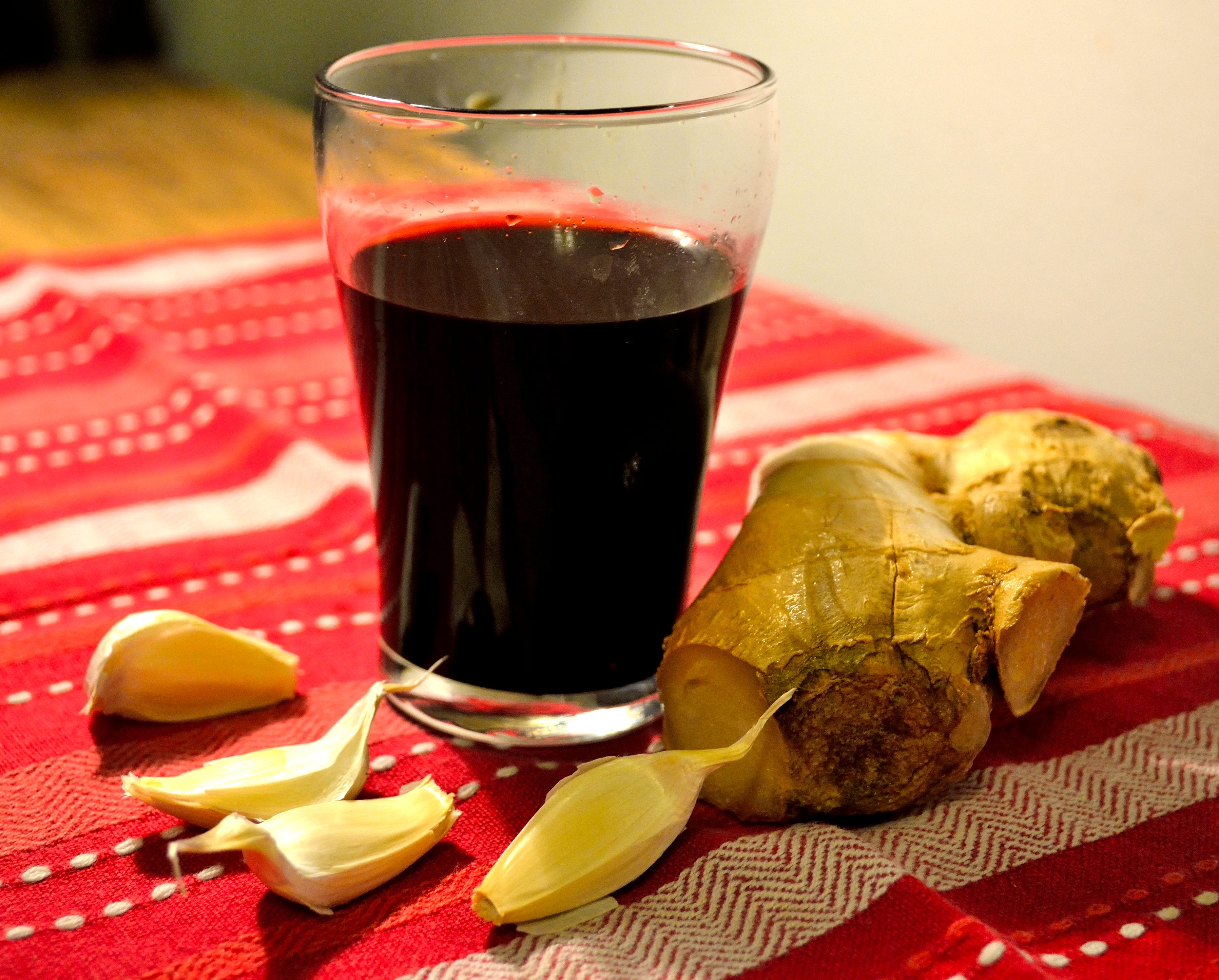
Simple Soy Marinade/Glaze

When Adam and I first started dating he was the primary cook for himself and his roommate.  He is actually a fairly decent cook, but I would have to say he had two main specialties.  One was his mostaccioli and the other was his stir fry.  While I liked that mostaccioli (pretty sure he fed my roommates a few times with that dish), I loved his stir fry.  More specifically, I loved his stir fry sauce.  It was like restaurant quality sauce.  Growing up we had stir fry, but we usually used those little packets of stir fry seasoning that you add to water and then pour over the meat and vegetables.  So I was amazed when he suggested stir fry and then started making his own stir fry sauce.  It’s the little things for me…. Anyway, one of the main ingredients in his sauce was hoisin sauce.  I don’t know if you have ever seen or used hoisin, but it isn’t the healthiest thing to be eating.  I made it my mission to make my own healthy stir fry sauce without the use of hoisin.  After many tries, I think I finally got it down in taste and texture.  While it might not taste exactly like restaurant quality stir fry sauce, it comes pretty close and you won’t have to worry about any of the ingredients!

Simple Soy Marinade/Glaze

DSC_0156

  • 1/4 cup liquid aminos, tamari sauce or soy sauce (coconut aminos would work too)
  • 1 tbsp sesame oil
  • 1 tbsp honey
  • 1 tbsp rice vinegar
  • 1/2 tsp chinese five spice
  • 1 tsp garlic, minced
  • 1 tsp ginger, minced
  • 1 tsp tapioca starch


Mix everything except the tapioca starch together.  Add in the tapioca starch and whisk until fully incorporated and there are no clumps.


You can use this as a marinade for fish, chicken, or pork.  You can use it as a sir fry sauce, just cook your meat and vegetables and then add this sauce in at the end and cook until it has thickened up.  You could also use it as a glaze.  Just heat the sauce up in a small sauce pan over medium high heat until it thickens and then pour it over whatever you would like.  You can make this ahead of time just store it in an airtight container in the fridge.


Also, if you guys have any requests for recipes that you would like to see on the blog, let me know in the comment section!  I want to make sure that you are getting what you need/want from this blog, so please tell me.  Have a great weekend!

How To Use The Whole Thing

fresh_vegetables_in_basket-2560x1600

We throw away a lot of stuff.  It’s such a simple thing, if we don’t want then just throw it in the garbage and it magically goes away.  Except that it’s really not magic at all.  That garbage has to go somewhere and the outlook isn’t so good.  I’m not here to lecture you on landfills and dumps and saving the environment, but I do think we can all do our part to help.  One of the larger components of our trash is food.  We throw away a ton of food and some of it is still edible.  No, this post isn’t about eating trash.  I just want to offer a few tips on how to use all of your food so that you get the most bang for your buck AND lower the amount of waste you throw away.


Make Stock

soup-stock-265x216

This is a really easy way to use up leftover scraps of vegetables and bones.  Things like vegetables peels from carrots, potatoes, cabbage, or turnips can be turned into a homemade vegetable stock.  After you’re done prepping your vegetables for dinner or whatever meal you’re making, gather all the scraps.  Place all the scraps into a large stockpot, add in water, a little salt and pepper, and bring to a boil.  Once it’s boiling, simmer for at least an hour, longer for a stronger flavor.  Turn off the heat and let the stock cool.  Using a strainer, pour the stock over a container and strain out the vegetable pieces and voila, you have homemade stock.  You can also make your own chicken or meat stock using the leftover bones.  Follow the same process, just add in whatever bones you have on hand.  Make sure to strain well so there are no leftover bones in your stock.  Now you have your own healthy stock on hand whenever you need it!  You can also freeze your stock and make it in big batches.

Use Up Your Greens

Many vegetables come with leafy greens attached to them.  I like to think of this as a two for one deal because you can use the vegetables AND the greens.  Turnips, beets, and carrots have greens that can be used for salads or added to soups and stews.  You can also use them for juices and smoothies.  Or you can dry out the greens and use them as seasonings for any dish that you can think of.  Just make sure to wash your leafy greens really well to get rid of dirt or bugs that might be hiding.

Eat the Stalk

Most of us don’t think twice about throwing away the stalks of vegetables like broccoli or cauliflower, but those parts are edible too.  You can chop them up and eat them prepared the same way you use the flowered parts.  My favorite way is to eat them is to cut up the broccoli florets and stems, saute them with olive oil and season them with garlic, turmeric, pepper, and a little bit of my “Parmesan” topping.  You can also grate the stalks and use them as a salad topping or as a way to add extra vegetables to soups, stews, and sauces.

Keep the Pulp

If you like to make your own fruit and vegetable juices, you might be left with a bunch of pulp afterwards.  Don’t throw that pulp away!  You can use it to make crackers or add it into baked goods, such as bread or muffins, or add it into sauces.  The pulp from homemade juice contains a lot of the fiber and nutrients from the fruit or vegetable and is super good for you.  If you make your own nut milk, like almond milk, you can save the pulp from the nuts and use as nut meal in baked recipes.  Just make sure you dry it out well first before you bake with it.

Help Your Garden Grow

kompostas

Peels from fruits or vegetables that you don’t want to eat, like banana peels, orange peels, or potato peels, can be used as compost for your garden.  Rather than just throwing those peels away, put them to good use helping your own fruits and vegetables grow strong and delicious.


These are just a few easy ways that you can use to help lower the amount of food that you throw away each week.  It’s also a great way to stretch your dollar and get the most use out of your food.  So before you toss that piece of food away, see if there is another use you can get out of it!


Coconut Cashew Sauce

I really love sauces.  They can take any meal from ho-hum to totally yum.  They are also a simple way to add healthy flavor to your dishes.  As much as I love sauce, my husband loves noodles.  Any dish that has some type of noodle or pasta is a winner with him.  So when I made this sauce and decided to use it in a stir fry AND add noodles, he was in heaven.  I’m pretty sure his exact words were, “The rest of this is just for me, right?”  While he was kind enough to share the rest of the food with me, I don’t know if he’ll let me have any more when I make it again!


Coconut Cashew Sauce

DSC_0139

  • 1/3 cup cashew butter
  • 1/4 cup liquid aminos (soy sauce or coconut aminos would work also)
  • 1 tbsp sesame oil
  • 1 tbsp rice vinegar
  • 1 tbsp honey
  • 3 cloves garlic, minced
  • about 1 to 2 tsp fresh ginger, minced
  • 1/2 tsp chinese five spice (can be found in most grocery stores in the ethnic food aisle)
  • 1/4 cup full fat canned coconut milk
  • chopped cashews, optional for garnish/texture


1.  In a small bowl, whisk together all ingredients except coconut milk and chopped cashews.  Once everything is well combined add in coconut milk and stir together.

2.  Let sauce sit in the fridge for at least 30 minutes to let the flavors come together.  Remove from fridge and let it come to room temperature before you use.  If using, stir in the chopped cashews right before using the sauce.


Now, you don’t HAVE to let the sauce sit, but it really does help the flavor to develop.  I love the creaminess that both the cashew butter and the coconut milk add, plus I love how easy it is to make!  My husband will tell you this is amazing with noodles, but it would also work well on top of grilled chicken or pork and it tastes really good over vegetable stir fry.  So go get saucy and try this yummy coconut cashew sauce!

How To Repurpose Leftovers

FoodStorage_tip

I am a big believer in leftovers.  I think that they play a big role in eating good, healthy meals all week long, as well as helping keep food costs down.  I only cook for two people, but I tend to cook like there are four of us and make extras to have for lunches throughout the week.  One thing that I have noticed though is that people tend to get bored of eating the same thing over and over again.  If you get bored with having the same food, you might be more likely to switch back to your unhealthy eating habits.  Because we don’t want that, I wanted to share just a few ways that you can repurpose your leftovers and make a whole different meal with just a few minor adjustments.


Meats 

This might be one of the easiest things to turn into a different meal.  Summer time is the perfect time to pull out the grill and BBQ some meat.  When you do this, make sure to throw a few extra pieces of whatever you’re making onto the grill.  Now you have some extra meat to turn into lunches or dinners for the week.

  • Shred chicken or pork and make a stir fry by adding it to some vegetables, brown rice, and soy sauce.
  • Slice up steak or chicken and add to a salad
  • Use fish to make some simple fish tacos.  Just add some salsa or corn, cilantro, and squeeze a little lime juice over everything
  • Make a chicken salad with shredded chicken, celery, avocado and mustard
  • Add any kind of meat to a frittata

Vegetables

If you do your meal prep over the weekend, make sure that you cook up some extra vegetables however you like.  Grill, roast, or saute them and you can use them for meals throughout the week.  Summer time also means the garden is full and your farmers market is in full swing, so you might be loaded up with extra vegetables.  Here are some ways you can repurpose your vegetables for leftovers.

  • Roasted root vegetables, like sweet potatoes or parsnips, can be added to salads or cooked grains for a simple lunch
  • Root vegetables are also really good pureed into soup or a sauce for pasta.  Add almond milk (or whatever milk you like) for an extra creamy texture
  • Grilled eggplant can be made into a simple baba ganush
  • Grilled zucchini or summer squash can be added to tomato sauce for extra texture and flavor
  • Cooked vegetables can be added to stir frys, soups, frittatas, or sandwiches
  • If you have an overabundance of cooked vegetables, you can also freeze them to be used later


Grains

Grains are a great thing to cook in big batches and then just add to meals throughout the week.

  • Grains make a really good bed for stir fry, vegetables with sauce, or cooked meat
  • Add your favorite grain to a leafy salad for a new variation
  • Leftover pasta?  Use it up by making cold pasta salad.  Toss your favorite pasta with some olive oil, seasonings, and vegetables like cherry tomatoes or avocados for a delicious summer meal
  • Try adding cooked grains to your lettuce wrap for extra texture and oomph


Fruit

Fruit is also pretty abundant this time of year and you can make it into a few different meals throughout the week.

  • Use leftover fruit salad as a cereal, granola, or yogurt topper for breakfast
  • Freeze leftover fruit and use in smoothies or added to water for extra flavor
  • Make a quick toast topping by mashing up leftover berries and adding a little honey/cinnamon
  • Turn frozen leftover fruit into sorbets by blending them in a high powered blender or food processor


There are a ton of ways that you can vary your leftovers so that you don’t eat the exact same meal every single day of the week.  With just a little bit of prep work, you can have the makings of a healthy and new meal each day.  Get creative and see what you can make out of the meals in your fridge!

How To Cook With Eggs

Egg_colours

Ah, the humble egg.  At first glance it doesn’t really seem all that spectacular.  Most of the time we just relegate it to breakfast foods or as an ingredient for delicious baked goods.  Sure, it has gotten some press over the years.  Yolks, good or bad?  How many should you eat a day?  Are egg whites really a health food?  What came first, the chicken or the egg?  I’m not here to debate any of those things with you, as intriguing as they may be.  What I do want to talk about is how versatile and awesome the egg can be.  I love eggs.  I love all the things that you can do with them.  I make them every day and sometimes for multiple meals.  They are relatively inexpensive, and they can do so many delicious things.  Eggs are a huge part of my healthy diet and I wanted to share some of the ways I use them.  I know some of you don’t consume eggs for various reasons, and that is totally fine.  I have never had a problem with eggs and if you are looking for some quick and tasty meals to eat during the week then keep reading.

I’ll start with the very obvious choice for egg based meals, breakfast.  I have one every morning and it’s one of my favorite breakfast foods, after waffles/pancakes of course!  If you want something super simple, try a poached or fried egg.  I know that you might think poaching an egg is difficult and for awhile I was intimidated too.  But it is actually quite easy.  In a small saucepan, bring about an inch or two of water to a simmer (NOT boiling).  Add a tsp or two of apple cider vinegar or just plain vinegar (this adds a little flavor and helps keep the whites together).  Crack open your egg and drop it into a small bowl or ramekin, not directly into the water.  Slowly pour your egg into the simmering water and cover with a lid.  Cook for 3-5 minutes depending on how runny you want your yolk.  Uncover and using a slotted spoon lift the egg out of the water and onto your plate.  It might take you a few tries to get it just right, but once you do it’s really easy.  Poached eggs are delicious on their own, but they can add so much more to other meals.  Try them on top of hashed browns, cooked greens (like kale or collard), over pasta, or even on top of tortilla shells.  One of Adam and I’s favorite meals is shakshuka, which is basically eggs poached in a spicy tomato sauce.

Eggs are also good scrambled or in an omelette and these meals allow you to be really creative.  Add in vegetables like green peppers or mushrooms, leftover meat like shredded pork or rotisserie chicken, beans or other grains like millet.  Experiment with different seasonings too like fresh basil or cilantro.  Smoked paprika adds a nice meaty touch to eggs and italian herbs go well too.  Don’t worry if you aren’t a pro at making omelettes, if you mess up they just turn into scrambled eggs!

Another meal that I like to make, and Adam loves to eat, is a frittata.  This is like an egg pie and you can add whatever you would like to it.  I’ve posted a recipe for a potato frittata before.  One of my new favorite ways to make this meal is to take a few potatoes, peel them and cut the into bite sized chunks.  Place them in a pot and cover with water, bring them to a boil and then cover with a lid and let them simmer for about 30 minutes.  Once you can easily pierce them with a fork, drain the water move them to a bowl and lightly mash them.  You don’t want mashed potatoes, but you want them to be broken up.  Place that aside to cool and crack 5 to 6 eggs into a separate bowl.  Add a splash of unsweetened almond milk (or whatever milk you drink) and whatever herbs or spices you like (I usually do salt and pepper and then basil and oregano).  I sometimes also add in pumpkin puree or tomatoes.  Whisk the eggs until they are light and fluffy. Heat the oven to 400 and then heat an oven safe skillet, like cast iron, over medium heat, pour the egg mixture over  the potatoes and then pour into the heated pan.  Cook on the stovetop for a few minutes and then transfer the skillet to the oven and bake for 15 minutes.  Remove from oven and let cool for a few minutes and then slice it up like pie.  You can eat it plain or serve it with salsa or guacamole or hummus or whatever other toppings you would like.  It’s an easy peasy meal that fills you up and keeps you going!

You can also hard boil eggs and make a few other meals with them.  I like plain hard boiled eggs as a quick snack and Adam likes to mash them up with dill and mustard for a little egg salad.  I’ve made healthy deviled eggs in the past by hard boiling eggs, cutting them in half and mashing the yolks up with avocado and paprika before spooning back into the egg halves.  That is a quick and easy appetizer that will keep people happy!  You can also put hard boiled eggs in your salad or over pasta for a little something extra.

Eggs can even be used to make condiments!  One of the easiest is to make your own mayonnaise.  Now I am not a mayo fan, never have been, but Juli over at PaleOMG has a really easy 30 second mayo that looks pretty tasty.

As you can see, eggs are a SUPER versatile food that can be used for so many different things.  Next time you are scrambling (ha, see what I did there?) for a quick and healthy meal that will satisfy your hunger, try eggs.  Get creative and see what delicious things you can come up with!