DIY Wednesday: Spice Blends

I’m starting a new Wednesday series, a DIY series.  Every Wednesday I’m going to show you how to make your own version of usually store-bought staples.  Companies want you to think you can’t live without their products, but you totally can.  It’s easier than you think, not to mention healthier and cheaper.

Today I’m going to show you how to make your own spice blends.  I used to buy these blends at the grocery store and thought nothing of it.  Then I started to read labels and noticed there were some funky ingredients in there.  Things like MSG and anti-caking agents.  Things that I did not want to be sprinkling over my food and ingesting.  So I started to make my own and haven’t looked back.  Make these when you have some free time and you will have all the seasonings you could ever want ready to go when you cook.

These are four of my favorite and most used blends.

Ranch Seasoning Blend
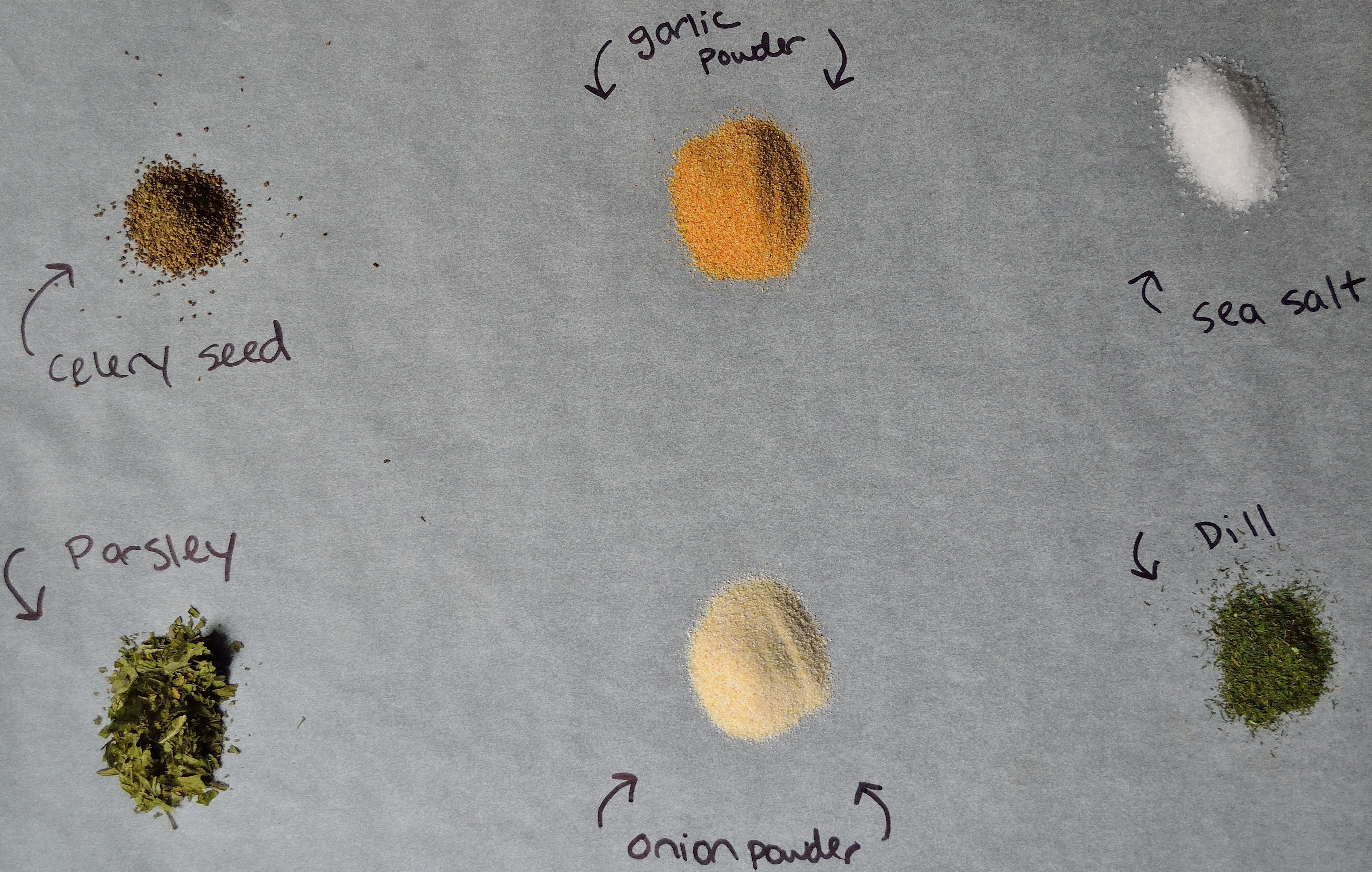
Ranch Seasoning Blend

1 tbsp onion powder

1 tbsp garlic powder

2 tsp dill

2 tsp parsley

1 tsp salt

1/2 tsp celery seed

Onion Soup Blend
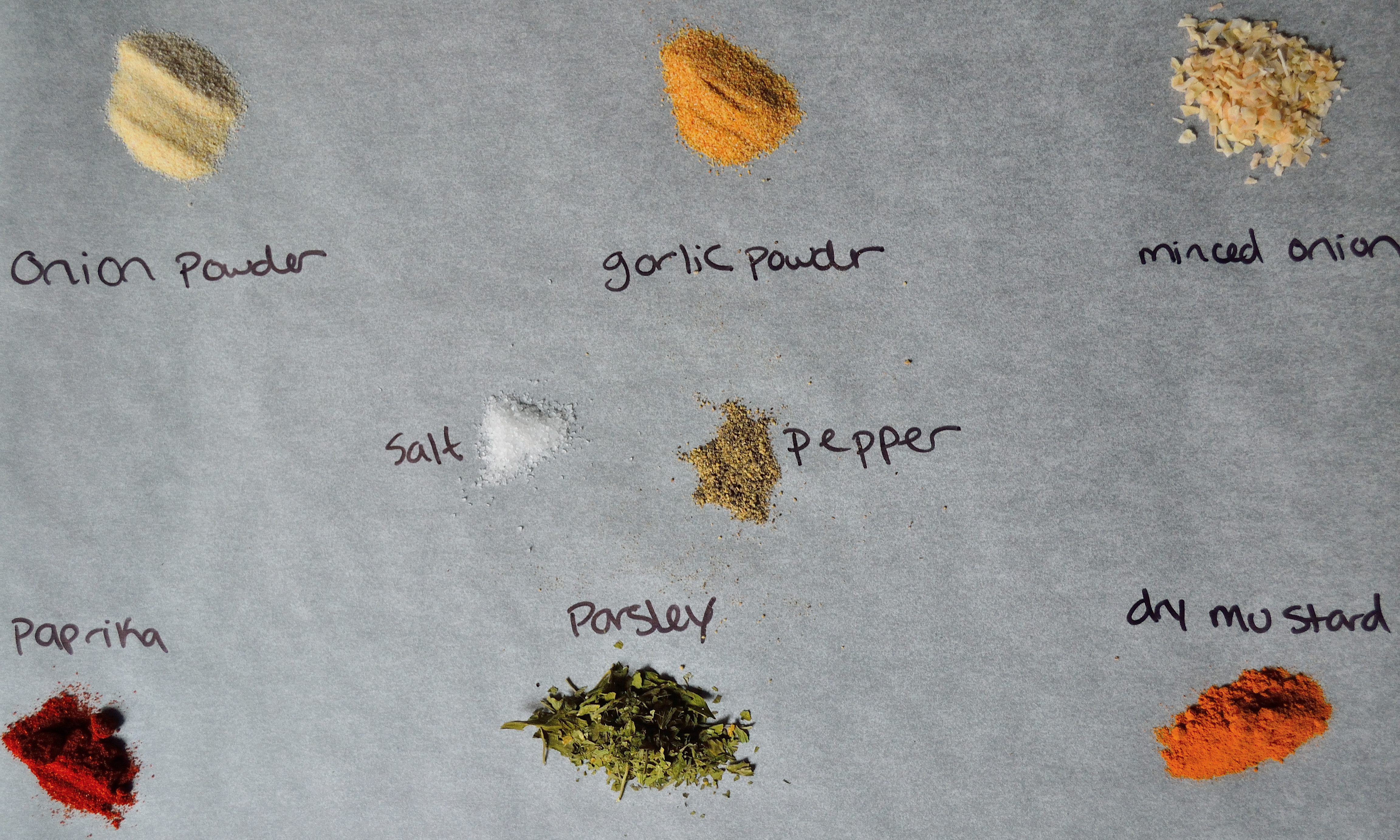
Onion Soup Blend

1 tbsp dried onion, minced

2 tsp onion powder

2 tsp garlic powder

1 tsp dried mustard

1 tsp parsley

1/2 tsp paprika

1/2 tsp salt

1/4 tsp black pepper

Pumpkin Pie Blend
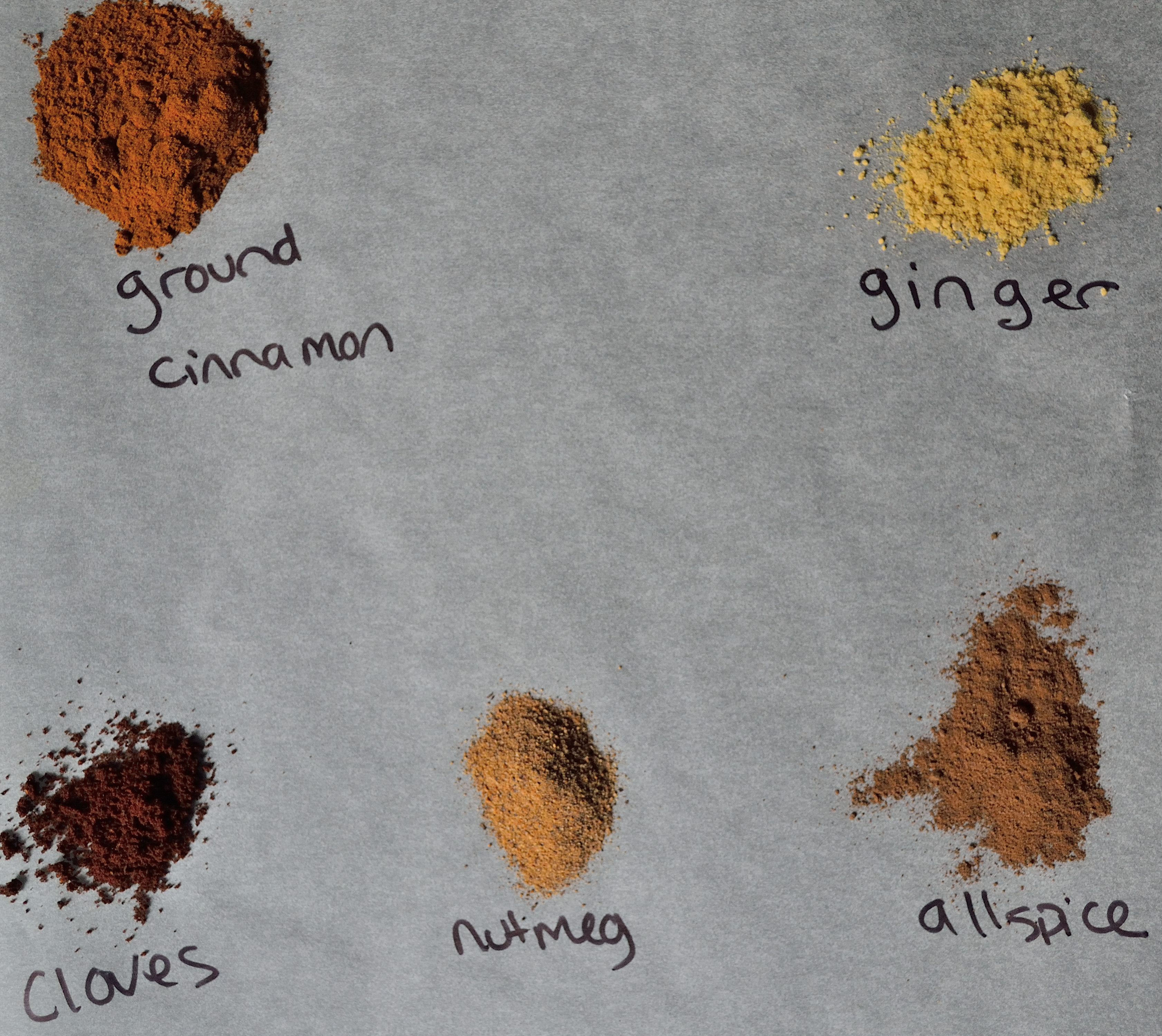
Pumpkin Pie Blend

1 tbsp ground cinnamon

1 tsp allspice

1 tsp ground ginger

1/2 tsp nutmeg

1/2 tsp ground cloves

Taco Seasoning Blend

Taco Seasoning Blend

1 tbsp chili powder

1 tbsp ground cumin

3 tsp garlic powder

2 tsp onion powder

1 tsp smoked paprika

1/2 tsp salt

1/4 tsp cayenne pepper, optional (if you want a spicier mix)

Measure out all the seasonings, mix together, and then store in an airtight container like a mason or bell jar.  You can adjust the seasonings to your taste or remove the salt to make each blend salt free.

Use the ranch or onion mix for dips by adding to plain greek yogurt, sour cream, or plain cashew ricotta.

Use the taco blend in place of store bought packets and add either tapioca starch or cornstarch to help thicken the sauce you pour over your taco filling.

Sprinkle the pumpkin pie spice over oatmeal or cereal for a little taste of fall.

Of course you can use these blends anywhere, on your vegetables, in your marinades and dressings, in desserts or snacks.  It really just takes a few minutes to put these mixes together and the flavor and price can’t be beat.  So use your DIY skills and get to blending!

Keep It Simple Series: Kitchen Tools

keep_it_simple_wallpaper_by_tomsoncze-d77oh5vIf you have never really cooked before it can feel overwhelming when you’re deciding what tools, utensils, and appliances to buy.  There are so many things out there and they all seem necessary, especially to a new cook.  In today’s video I highlight 3 of my most used kitchen tools that I think are essential when you’re starting out.  Of course you will need more than three things in your kitchen, but these are a great place to start!

Remember, start slow when building up your kitchen and try to stay away from the dreaded unitasker.  They will just take up space and usually are a waste of money.

Have a great Wednesday everyone!

How To Use Up Your Leftovers

It’s almost a week after Thanksgiving and I’m sure some of you still have mounds of leftovers that you’re trying to get through.  Thanksgiving leftovers are one of the best parts of the holiday but there are only so many turkey sandwiches you can eat before you never want to see a slice of turkey again.  I thought that I would share some different ways that you can use up the various leftovers that you might have lurking around your kitchen.

Turkey/Ham/Whatever other meat you may have made

FNM110111_168

  • Obviously you can make a plain old sandwich, but why not jazz it up my making a turkey salad sandwich?  Shred up the turkey and mix together with some mashed up avocado, a little lemon juice, and salt and pepper.  Or use hummus or spicy mustard instead of avocado, whatever you have a hankering for.
  • Add shredded meat to any variety of dishes like soup, tacos, frittatas, quesadillas, or casseroles.
  • Make chili with leftover meat and any other vegetables you may have lying around.

Potatoes

Sweet+Potato+Casserole+500+8292 GarlicMashedPotatoes_DT


  • Use leftover mashed potatoes as a topping for shepherds pie or meatloaf.  You can even try it as a topping for my lentil loaf
  • Sweet potatoes can be used in many baked goods from bread to muffins.  Just mash them up into a smooth puree and add into the batter.
  • Roasted potatoes (regular or sweet) make a great breakfast hash or can be added to scrambled eggs, stews, and casseroles.
  • Scalloped potatoes can be used as a crust for frittatas or quiche.

Stuffing/Dressing

20101117-stuffing

  • Let some of your stuffing sit out on the counter overnight to dry out a little and you can use it as bread crumbs
  • Make stuffing dumplings by mixing stuffing together with 2 eggs, turkey, and some shredded cheese if desired.  Form into balls and add into soup and cook covered for 15 to 20 minutes.  You can also bake them in the oven at 350 for 15 to 20 minutes
  • You can also make a breakfast casserole with stuffing.  In a casserole dish, place a layer of stuffing along the bottom.  Add in green or red peppers, cooked sausage, or sauteed onions and garlic.  In a separate bowl whisk 6 to 8 eggs and a little almond milk and then pour over the stuffing.  Top with shredded cheese if you would like and bake at 375 for 25 to 30 minutes.  Let sit on the counter for 5 minutes before you cut into pieces and eat.

Cranberry Sauce/Relish

apple-orange-cranberry-sauce

  • Stir cranberry sauce into oatmeal and top with nuts like almonds, walnuts, or pecans for a seasonal breakfast
  • Use relish or sauce as a sandwich topping for a nice tart flavor
  • Make a winter salad by combining cooked quinoa/millet/farro/brown rice, diced sweet potatoes or butternut squash, cranberry relish or sauce, and seasonings like parsley or cilantro.  Drizzle a little of olive oil and stir the salad all together.

Vegetables

Roasted_vegetables_with_pecan_gremolata_v

  • Leftover vegetables often get put in the fridge and then forgotten.  Add them into any dish like stir fry’s, soups, stews, or add into salads.
  • They are also good on sandwiches or if you’re having a taco night use as fillers for burritos.


These are just a few things that you can do with that pile of food you still have to get through.  Get creative and see where you can add in leftovers to all of your meals.  You can also freeze some of your leftovers to be used at a later time.  This works well with meat and bread like dishes.  As for all those desserts that are staring you down?  I’m sure your neighbor or the office would enjoy having a treat!

How To Preserve Food For The Winter

landschaft-winter-001Winter is coming.  Actually, it’s kind of already here in the midwest.  If you haven’t been paying attention to the news or stepped outside, there is a huge cold front that is moving through the country bringing snow and wind and cold.  Yay…. Anyway, as the winter season settles in the harvest season winds down.  There aren’t many new crops popping up in the dead of winter and while I know that in modern grocery stores we can get any fruit or vegetable at any time of the year, the selection of in season produce is slim.  I have been trying to make a push in our household to try and eat as seasonally as possible.  There will always be a few fruit and vegetables, like bananas and sweet potatoes, that I will buy no matter the time of year, but otherwise I try to eat what’s in season.  Now, just because there isn’t a lot to choose from in the winter time, if you take a little time to plan ahead, you can eat all your summer/fall favorites through the cold months ahead.  There are many ways to preserve food, but the three that I’m going to share here are the ones that I use most often.

Pickling

canning

Most people only think of dill pickles when the hear the word pickling, but you can pretty much pickle any vegetable.  Broccoli, cauliflower, carrots, beets, asparagus, summer squash, onions, garlic….. you get the idea.  Pickling has been around for centuries and it is a fairly simple process so don’t be too intimidated.  Pickled vegetables can be used on a lot of different dishes, from placing kimchi on a burger or making a pickled beet salad, and really add a unique flavor.  On the health and nutrition side of pickled food, they provide a great source of probiotics that can help improve your digestion and gut health.  All really good things!  Check out a few of these online tutorials for pickling and get started.  Experiment with different vegetables and spices and enjoy delicious vegetables all winter long.

Sauces, Jams, and Butters 

jams

This is my go to way to preserve fruit, especially the bounty of fruit that is available during the fall.  If you’re like me you’re probably swimming in apples and a great way to save those apples (other than making a million pies!) is to make apple butter or apple sauce.  You can pretty much use these two methods for all fruit.  You can make sauce or jam from strawberries, blueberries, blackberries, raspberries, cranberries, any berry.  Fruit butters are another great way to save fruit and many can be made right in your slow cooker.  One of my favorite combos is a pumpkin/apple butter and I usually have a jar or two on hand.  I have myself have never made jam, but I have made quite a few sauces like cranberry and tomato sauce.  You can find a few good tutorials here for making big batches of jam and on Friday I’ll share a really easy way to make a big batch of applesauce, so check back for that!

Freeze

freezer-x

This is by far the easiest method of preserving your produce and the one that I use the most.  During the fall when squash is super cheap I stock up and then freeze the extra.  I either peel and dice the squash into cubes and freeze that way or I peel, dice, steam, and puree it and freeze the puree in batches.  You can also freeze things like broccoli and cauliflower.  Cut and steam the vegetables until brightly colored and then dunk them in a bowl of ice water.  This is called blanching and it helps preserve their flavor.  Once they are relatively dry, place them in freezer safe bags or container.  When you want to use them just steam until cooked through.  I like freezing produce because it is a great way to have quick meals on hands.  I can use my purees for baking or soup or gnocchi and having vegetables on hand make an easy side dish or add nutrition to stir fry.  Plus frozen foods can last for up to three month as long as they are properly stored.

These are my favorite ways to make the bounty of produce available during the warmer months last all winter long.  There are other ways, such as canning, to preserve your food so find the method that works best for you.  If you take just a little bit of time and effort you can eat well even if the weather is frightful!

An-organised-and-well-stocked-pantry.

Frosted Pumpkin “Blondies”

I’m really making myself a hypocrite by saying I’m not a baker and then giving you two dessert recipes in a row.  Oh well, I think you’ll forgive me once you try these!  My biggest struggle with this recipe was what to call it.  They have the texture of a fudgy brownie, but don’t have any chocolate.  It’s a lot thinner than a brownie or blondie, but it’s not really a bread either.  What I do know is that they taste like fall and the frosting adds a nice creamy/salty touch to the sweetness of the blondie.  You can also make these into mini muffins which are great to share at your Halloween party or make a batch for me for my birthday!


Frosted Pumpkin “Blondies” 

DSC_0297

For the blondies

  • 1 cup pumpkin puree (not pumpkin pie filling)
  • 1/4 cup maple syrup
  • 1 tbsp molasses
  • 1 tsp vanilla extract
  • 2 tbsp ground flaxseed (buy whole flax seeds and grind them at home)
  • 4 tbsp water
  • 3 tbsp brown rice flour
  • 1 tsp cinnamon
  • 1/2 tsp ginger
  • 1/2 tsp cloves
  • 1/2 tsp nutmeg
  • 1/4 tsp baking soda
  • 1/4 tsp salt

For the frosting

  • 1 can full fat coconut milk, refrigerated (do NOT shake the can, just put it in the fridge)
  • 1 tbsp maple syrup
  • 2 tsp molasses
  • 1 tsp cinnamon
  • 1/4-1/2 tsp salt

1. Preheat oven to 350.  Mix 2 tbsp flaxseed and 4 tbsp water in a little bowl and place in the fridge while you assemble the rest of the ingredients.

2. In a medium bowl, combine all the dry ingredients and whisk together.  In a separate bowl, mix the pumpkin, maple syrup, molasses, and vanilla extract.

3. Add the dry to the wet and mix well.  Once everything is combined, add in the flaxseed mixture and mix well.  Pour the batter into a greased 9×9 pan or mini muffin tin and place in the oven.  Bake for 25-30 minutes.  Remove and let cool on a rack for at least 5 minutes.

4. While the blondie is baking make your frosting.  Take your can of coconut milk and open it from the BOTTOM and scoop out only the solid parts.  Add the rest of the frosting ingredients to the coconut cream and either with an immersion or hand blender, blend all the ingredients until smooth and fluffy.  It will be a little runny, but just place the frosting in the fridge for 10 to 15 minutes to firm up.

5. Once the blondies are completely cool spread a decent amount of frosting on top.  Cut into slices and enjoy!

DSC_0293


Keep the leftovers, if there are any, in the refrigerator.  I really like the combination of the salty/sweet frosting and the spicy fall-like flavor of the blondie.  It’s a great treat for your Halloween party or even for Thanksgiving.  I hope you have a spooktacular Halloween and an excellent weekend.  Now I’m going to go enjoy these pumpkin blondies and my birthday!